

Capgemini Serverless and GenAI Masterclass
On September 19th I attended the Capgemini Serverless and GenAI Masterclass, A session that explored the impact of digital transformation in the cloud. The focus was on technologies serverless and in the generative artificial intelligence (GenAI), two trends that are radically changing the way enterprise applications are designed and deployed.
During the session, key concepts from two leading providers were presented: Amazon Web Services (AWS) y Microsoft Azure. In addition to the theoretical explanations, practical examples were shared that showed how these tools can help companies gain efficiency, reduce infrastructure costs, and accelerate the development of data-driven solutions.
Amazon Bedrock
Amazon Bedrock It is an AWS service that allows you to use pre-trained generative artificial intelligence models without worrying about the infrastructure.
What's most interesting is the wide variety of models it offers and its ease of use: with a simple API call, you can integrate them into any application. This is especially useful for companies that want to implement Generative AI on AWS without needing specialized machine learning equipment.
Thanks to this service, the development and deployment of applications with generative AI becomes faster and more accessible. Whether the company is a startup or a corporation, scalability is guaranteed.
Azure AI Studio
Azure AI Studio It is Microsoft's proposal to simplify the creation and deployment of artificial intelligence models within its cloud ecosystem.
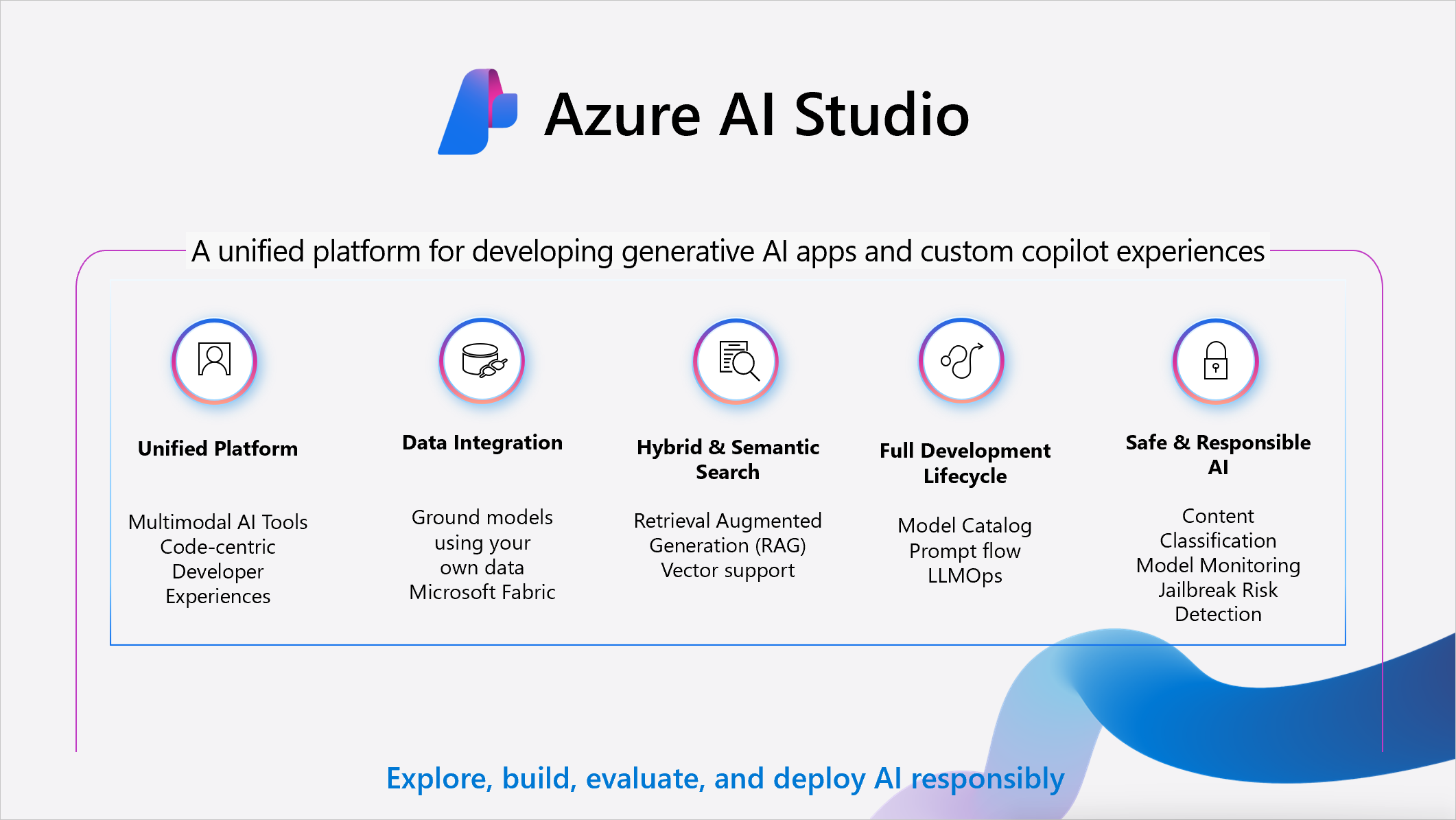
This service works similarly to Amazon Bedrock, but stands out for its integration with other Azure tools, such as Azure Machine Learning or Power BI. This allows you to create more complete workflows, connecting data, analytics, and AI models in the same environment.
What caught my attention the most is its focus on productivity: the ability to connect existing services makes it easier to develop customized solutions that fit the needs of each organization.
Retrieval-Augmented Generation (RAG) and PromptFlow
Another of the most interesting concepts was retrieval-augmented generation (RAG). This technique combines text generation using language models with the retrieval of relevant information from databases or documents.
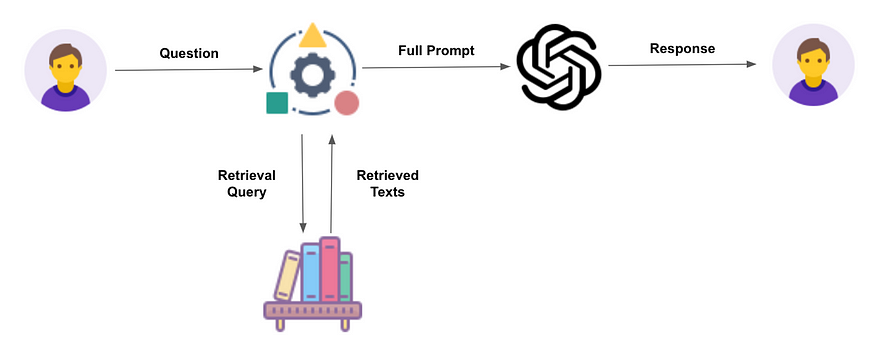
With this approach, companies can adapt generative AI models to specific contexts. Instead of relying on a generic model, it's possible to train or guide the system using their own data, such as internal manuals, knowledge bases, or customer documentation.
The masterclass also covered PromptFlow, This tool allows for the structured management and optimization of prompts. This type of solution is key because small adjustments to the prompt can significantly improve the accuracy of the responses generated by a model.
Cloud Providers: AWS and Azure
The session devoted a significant portion to comparing between AWS y Azure, the two major cloud service providers.
AWS, With services like Amazon Bedrock, it offers a robust, scalable platform with a large developer community. It's highly geared towards businesses seeking serverless and GenAI solutions that are quick to deploy.
Azure, Microsoft, for its part, has focused on integration with other Microsoft products. For companies already using Office 365, Power Platform, or Dynamics, the addition of Azure AI Studio It is especially attractive because the adoption curve is simpler.
In conclusion, both AWS and Azure offer powerful tools to drive digital transformation in the cloud. The choice between them depends on each company's technology strategy, current resources, and future vision.
My reflection after the Capgemini Serverless and GenAI Masterclass
Attend the Capgemini Serverless and GenAI Masterclass It allowed me to see firsthand how the cloud and generative AI are ceasing to be futuristic trends to become everyday realities in organizations.
The most valuable aspect was not only learning about the services, but understanding how they are applied in real-world scenarios: from automating internal processes to creating virtual assistants capable of responding accurately thanks to approaches like RAG.
For me, the main lesson was clear: the future lies in combining flexible (serverless) infrastructure with AI models tailored to each use case. And in that race, both AWS and Azure offer solid paths.
Do you want to delve deeper into related topics?
– 📌 Check my Social Listening project with PwC.
– 📌 Discover how I built a personal virtual assistant with RAG.
– 📌 More about Capgemini Spain.